
Start With the Project, Not the Promise of Free Money
Small business grants in Canada are usually tied to a defined project, not simply to owning a company. An equipment upgrade, workforce training plan or productivity improvement may align with a funder’s objectives, but availability depends on location, sector, applicant type and the current intake.
Before searching, write a one-page project brief: what you will change, why it matters, when it will happen and how much it costs. For example, replacing a bottleneck in a production line is more specific than asking for money to grow. Clear scope helps you screen opportunities before spending time on an application.
Separate Grants, Contributions, Loans and Tax Credits
A grant or non-repayable contribution may not require repayment when agreement conditions are met. A repayable contribution or loan does. A tax credit follows tax rules and is not the same as an upfront grant. Read the agreement rather than relying on a program’s marketing label.
Some funding reimburses eligible expenses only after you pay them. Others require matching funds. Build a cash-flow plan that shows how your business will cover its share, taxes, ineligible costs and any gap before reimbursement. Never assume an award covers the entire purchase.
Where Canadian SMEs Can Start Their Funding Search
The Government of Canada’s Business Benefits Finder is a starting point for discovering programs and services suited to your business. Then check provincial or territorial departments, your regional development agency and relevant municipal or sector organizations. A search result is a lead, not confirmation of eligibility.
Search by intended outcome as well as purchase type: productivity, energy efficiency, skills development or export readiness. An ordinary equipment replacement may not fit an innovation program, while a documented process improvement may deserve a closer review. Confirm each interpretation with the funder.
Check Eligibility Before Ordering Equipment
Verify legal structure, operating location, business size, eligible activities and project dates. Check whether costs incurred before approval are excluded, whether leased equipment is allowed, and whether installation or staff training can be included. Do not sign a purchase order expecting retroactive support unless the rules expressly permit it.
Record the official source, the date checked, the intake status and any unresolved question. If guidance is unclear, ask the program contact and retain their response. A useful shortlist contains verified requirements, not just appealing funding amounts.
Build an Application-Ready Budget and Evidence File
Preparation checklist: a project brief; itemized supplier quotes; current financial information; evidence of matching funds; a realistic schedule; required approvals; and a plan to measure results. Include each cost once and keep eligible and ineligible expenses separate.
Connect every budget line to an outcome. For a machine upgrade, establish a baseline such as units produced per hour or downtime, then explain how you will measure the change. For training, describe the skills gap, course content and practical business benefit. Avoid forecasts you cannot support.
Common Questions About Small Business Grants
Can every Canadian small business get a grant? No. Eligibility and competition vary by program, and meeting minimum criteria does not guarantee funding.
Can I combine programs for one project? Sometimes, subject to each program’s stacking rules. Disclose other assistance and do not claim the same expense twice unless the applicable rules specifically allow the arrangement.
Should I buy equipment before applying? Check the eligible expense start date first. A purchase made too early can become ineligible even when the project otherwise fits.
Turn a Shortlist Into a Managed Funding Plan
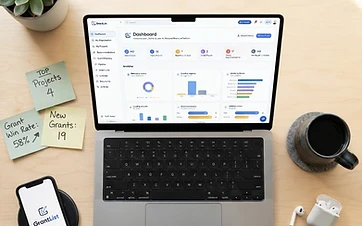
GrantList can help your team organize discovery, compare opportunities against its business and project context, and keep application deadlines and next actions visible. Use AI-assisted drafting to structure the first version, then have your team verify requirements, numbers and supporting evidence.
Begin with one well-defined project and a small set of credible opportunities. Assign an owner to each application and build time for financial review before the deadline. Funding decisions remain with the funder; a disciplined process improves preparation, not certainty of an award.